Myth-Busting: Common Cleaning Misconceptions


Understanding Common Cleaning Misconceptions
Cleaning is an essential part of our daily lives, yet it's surrounded by a host of myths and misconceptions. Believing these myths can lead to ineffective cleaning practices and potentially harmful outcomes. Let's explore some of the most common cleaning misconceptions and set the record straight.
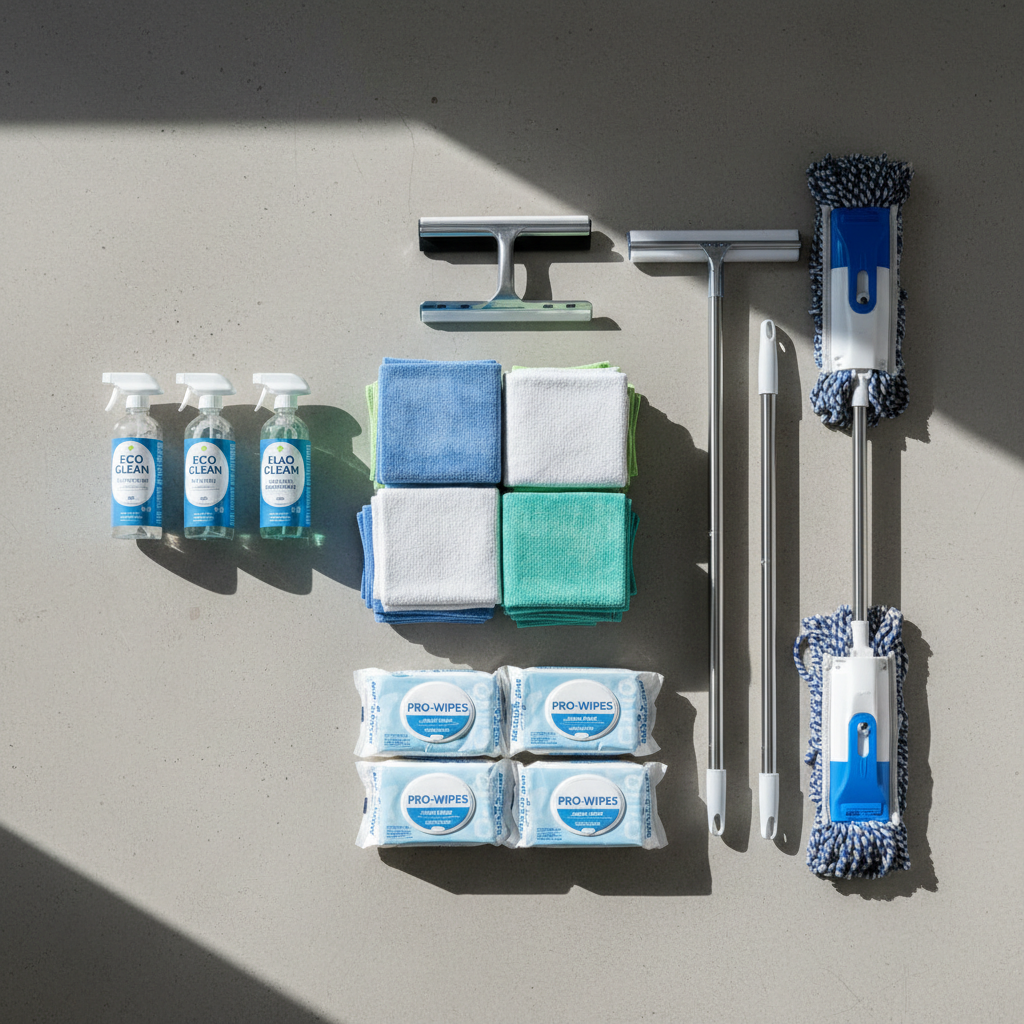
Myth: More Detergent Means Better Cleaning
Many people believe that using more detergent will result in cleaner clothes or surfaces. However, this is a misconception. Using too much detergent can leave residue on clothes and surfaces, which may attract more dirt and lead to buildup over time. It's crucial to follow the recommended amounts on the packaging for optimal results.
Excessive detergent can also harm your washing machine or dishwasher, causing unnecessary wear and tear. Always measure carefully and adjust based on the load size or level of dirtiness.
Myth: Bleach Cleans Everything
Bleach is often thought of as a universal cleaner, but this is far from the truth. While bleach is an effective disinfectant, it doesn't clean dirt and grime. Instead, it should be used after surfaces have been cleaned with soap and water to disinfect properly.
Moreover, bleach can damage certain materials, such as wood and some metals, and should not be used on colored fabrics as it can cause fading. Always read labels and use bleach carefully where appropriate.
Myth: Vinegar is a Miracle Cleaner
Vinegar is a popular natural cleaning agent, but it has its limitations. While it's effective for removing odors and some stains, it isn't suitable for all surfaces. For instance, vinegar can damage natural stone surfaces like granite and marble, and it should not be used on electronic screens.
Instead, use vinegar for specific tasks like cleaning glass or deodorizing drains. Always test a small area first if you're unsure about its effect on a particular surface.

Myth: Feather Dusters Effectively Remove Dust
Feather dusters are often depicted as the ultimate dusting tool, but they merely spread dust around rather than removing it. A better option is to use a microfiber cloth, which traps and holds dust, preventing it from resettling on surfaces.
- Use microfiber cloths for effective dusting.
- Wash cloths regularly to maintain their effectiveness.
Myth: Air Fresheners Clean the Air
Air fresheners can make a room smell pleasant, but they don't clean the air. They merely mask odors rather than eliminating the source. For truly fresh air, it's important to clean the source of the odor and ensure proper ventilation in your living space.
Consider using natural alternatives like essential oils or plants that can help purify the air without introducing potentially harmful chemicals.

Conclusion
By debunking these common cleaning myths, you can adopt more effective and safe cleaning practices in your home. Remember, understanding the purpose and limitations of various cleaning agents and tools will help you achieve the best results while keeping your environment safe and healthy.