Debunking Common Cleaning Myths: What Really Works?


Introduction to Cleaning Myths
Cleaning is a task that most people deal with regularly, yet it's surrounded by a surprising number of myths and misconceptions. Many of these myths have been passed down through generations, leading people to believe in ineffective or even harmful cleaning practices. In this blog post, we'll debunk some of the most common cleaning myths and explore what truly works to keep your home spotless and healthy.
Myth 1: More Detergent Equals Better Cleaning
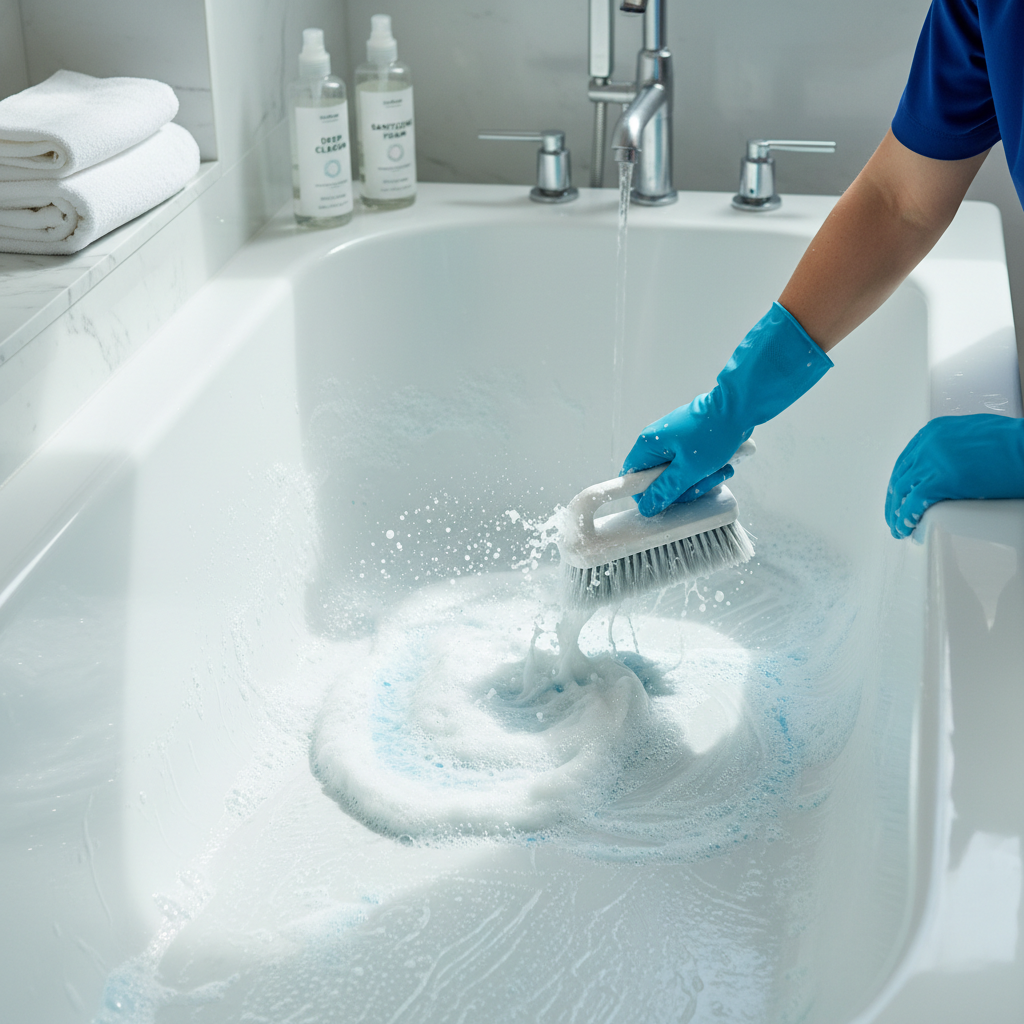
One prevalent myth is that using more detergent will result in cleaner clothes or dishes. In reality, overusing detergent can leave residue on fabrics and surfaces, making them appear dull and even attracting more dirt. The key is to use the recommended amount specified by the manufacturer, which is typically sufficient for achieving optimal cleanliness.
Why Less is More
Using the correct amount of detergent ensures that it is fully rinsed away, leaving items truly clean and residue-free. Excess detergent can also lead to buildup in washing machines and dishwashers, reducing their efficiency over time. Always measure carefully to avoid these issues.
Myth 2: Vinegar Cleans Everything
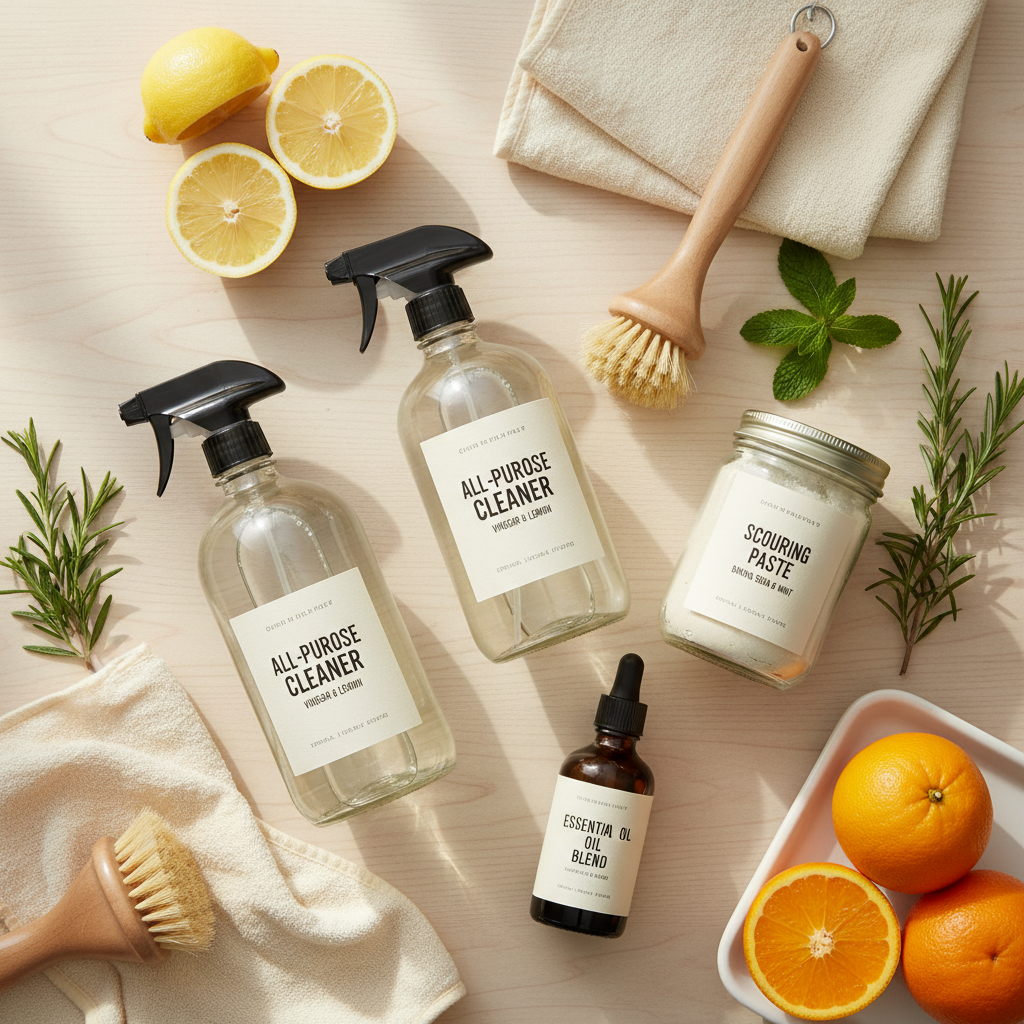
Vinegar is often touted as a miracle cleaning solution, but it’s not suitable for all surfaces. While it’s excellent for removing hard water stains and deodorizing, it can damage certain materials like granite, marble, and some hardwood floors due to its acidity.
Where Vinegar Shines
Vinegar is highly effective for cleaning glass, tiles, and even unclogging drains when combined with baking soda. However, for surfaces that may react negatively, it’s best to use specialized cleaners designed for those materials.
Myth 3: Bleach is the Ultimate Cleaner
Bleach is a powerful disinfectant, but it's not a universal cleaner. Many people believe bleach can clean anything, but it doesn’t remove dirt or grime. Instead, it disinfects surfaces by killing bacteria and viruses.
Proper Use of Bleach
To effectively clean, it’s important first to wash the surface with soap and water to remove dirt, then disinfect with bleach if necessary. Always use bleach in a well-ventilated area and follow safety guidelines to prevent irritation or damage.
Myth 4: Feather Dusters Effectively Remove Dust
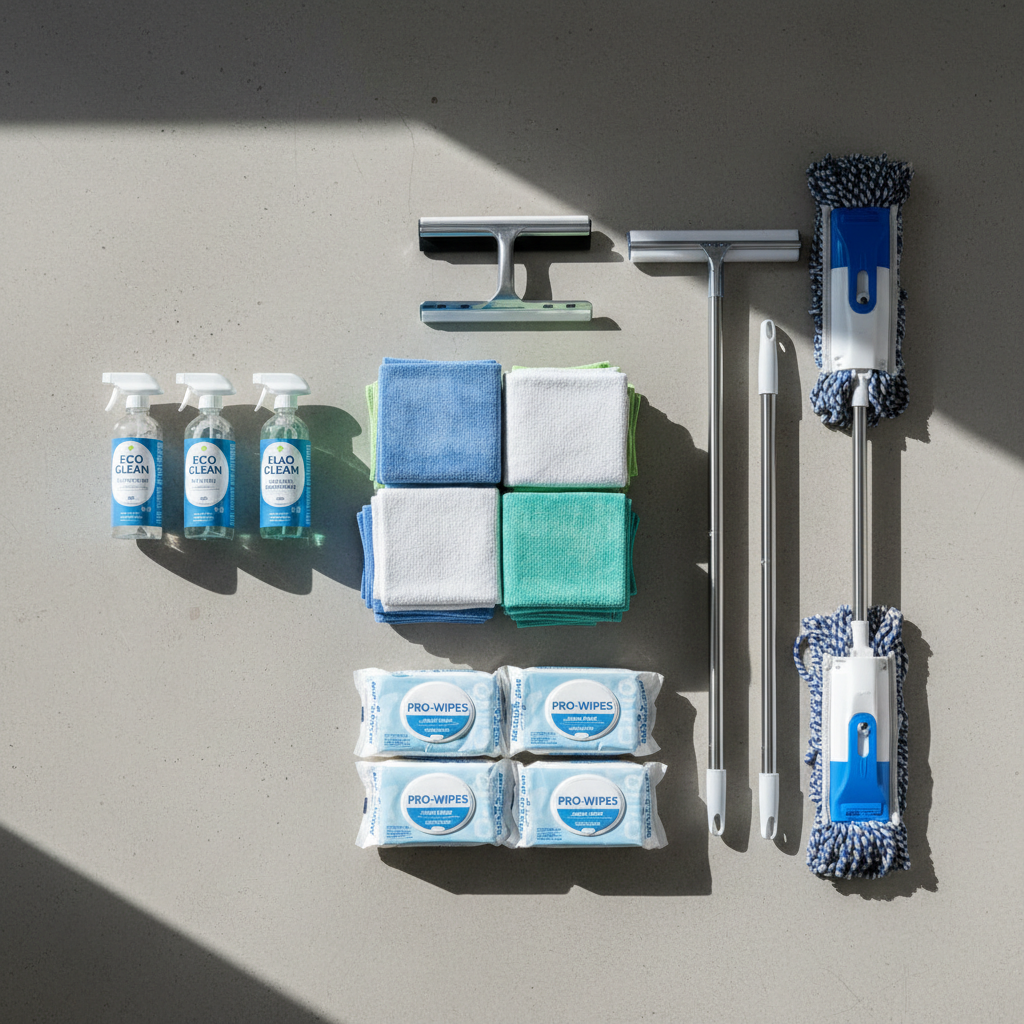
Feather dusters often just move dust around rather than trapping it. For effective dust removal, microfiber cloths or electrostatic dusters are far superior. These materials trap dust particles, ensuring they are removed rather than redistributed.
The Power of Microfiber
Microfiber cloths are designed to pick up and hold onto dust, dirt, and grime. They’re reusable, easy to clean, and can be used on a variety of surfaces, making them an excellent choice for dusting and general cleaning.
Conclusion: Effective Cleaning Practices
By understanding and debunking these common cleaning myths, you can adopt more effective cleaning practices that truly work. Remember, using the right products and techniques is key to maintaining a clean and healthy home. Always read labels and follow instructions to get the best results from your cleaning efforts.