Case Study: Transforming Springfield Offices with Eco-Friendly Cleaning


Introduction to Eco-Friendly Cleaning
As businesses increasingly seek sustainable practices, eco-friendly cleaning has become a significant focus. This case study explores how Springfield Offices transformed their cleaning processes, achieving a healthier work environment and reducing their ecological footprint.
Traditional cleaning methods often involve harsh chemicals that can be harmful to both the environment and human health. By shifting to eco-friendly alternatives, Springfield Offices not only improved employee well-being but also enhanced their corporate responsibility.
Challenges Faced
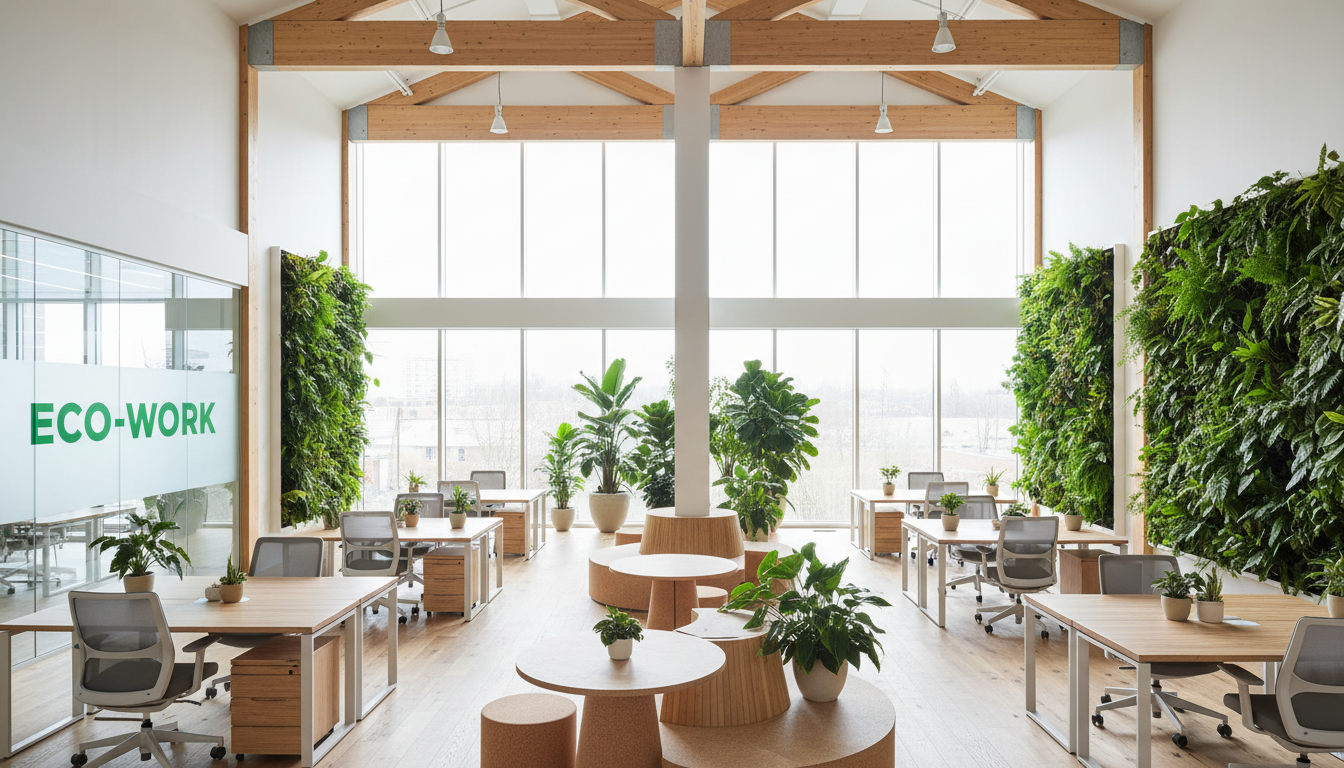
Springfield Offices initially faced several challenges in their transition. The primary concern was finding effective eco-friendly products that met their cleaning standards. Additionally, there was resistance from staff accustomed to conventional cleaning methods.
Another challenge was the perceived cost of environmentally friendly products. Many businesses worry that green solutions are more expensive, potentially impacting their bottom line.
Addressing the Challenges
To overcome these hurdles, Springfield Offices conducted extensive research to identify cost-effective and efficient eco-friendly products. They collaborated with suppliers specializing in sustainable solutions, ensuring quality and affordability.

Training sessions were held to educate employees about the benefits of eco-friendly cleaning, addressing concerns and fostering a culture of sustainability. This step was crucial in gaining staff buy-in and ensuring a smooth transition.
The Transformation Process
Springfield Offices implemented a phased approach to their transformation. They began by replacing high-impact cleaning chemicals with biodegradable and non-toxic alternatives. This shift significantly improved air quality, reducing health risks for employees.
Furthermore, they adopted practices such as using microfiber cloths, which require less water and chemicals, and introduced recycling programs for cleaning materials, minimizing waste.
Results and Benefits
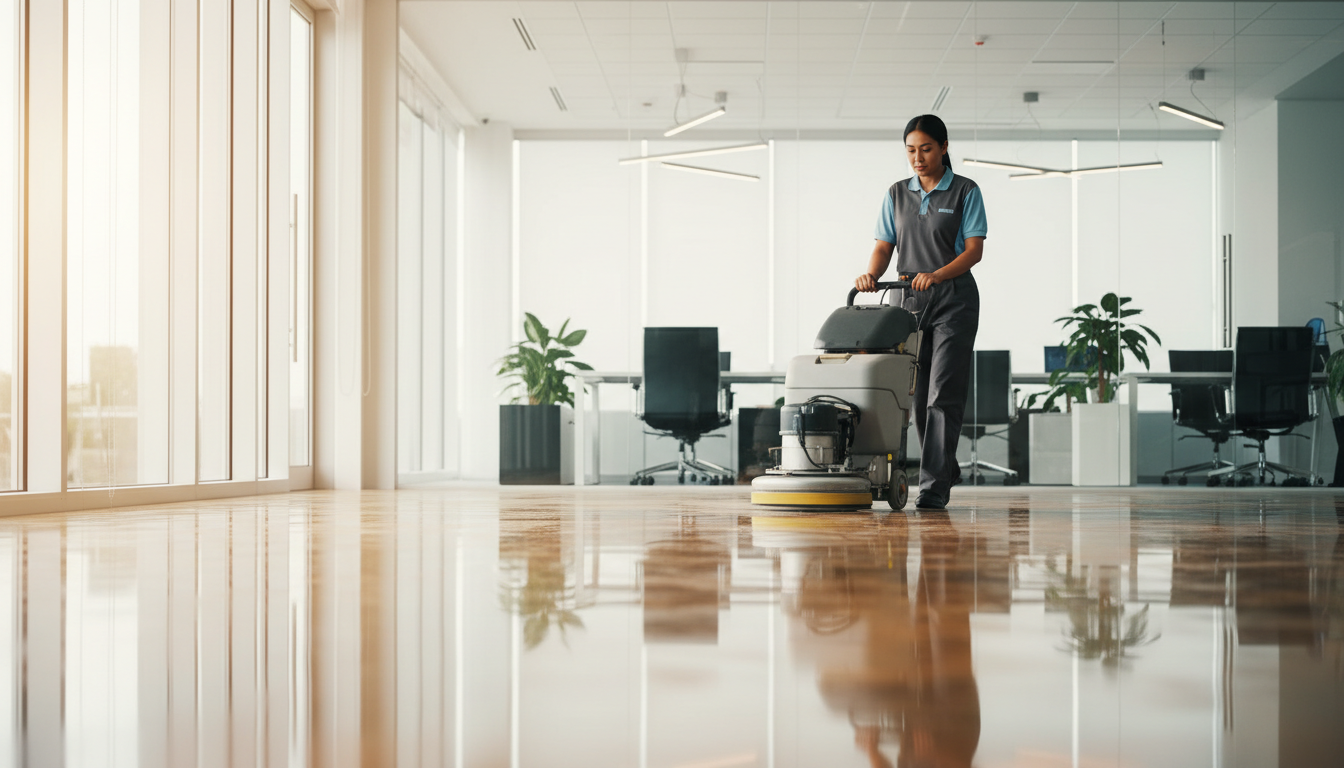
The transformation led to remarkable outcomes. Employees reported fewer health issues, such as allergies and respiratory problems, which enhanced overall productivity. The company also observed a reduction in cleaning costs over time, debunking the myth that eco-friendly solutions are always more expensive.
Springfield Offices received positive feedback from clients and stakeholders, reinforcing their brand as a leader in sustainability. This reputation not only attracted environmentally conscious clients but also boosted employee morale.
Conclusion
Springfield Offices' journey towards eco-friendly cleaning demonstrates that sustainable practices are both feasible and beneficial. By investing in green solutions, businesses can achieve a healthier workplace, reduce environmental impact, and enjoy long-term financial savings.
This case study serves as an inspiration for other organizations looking to embrace sustainability, proving that with the right approach, the transition can be smooth and rewarding.